Shrinkflation: How Shrinking the Product Became the Quiet Way to Raise the Price
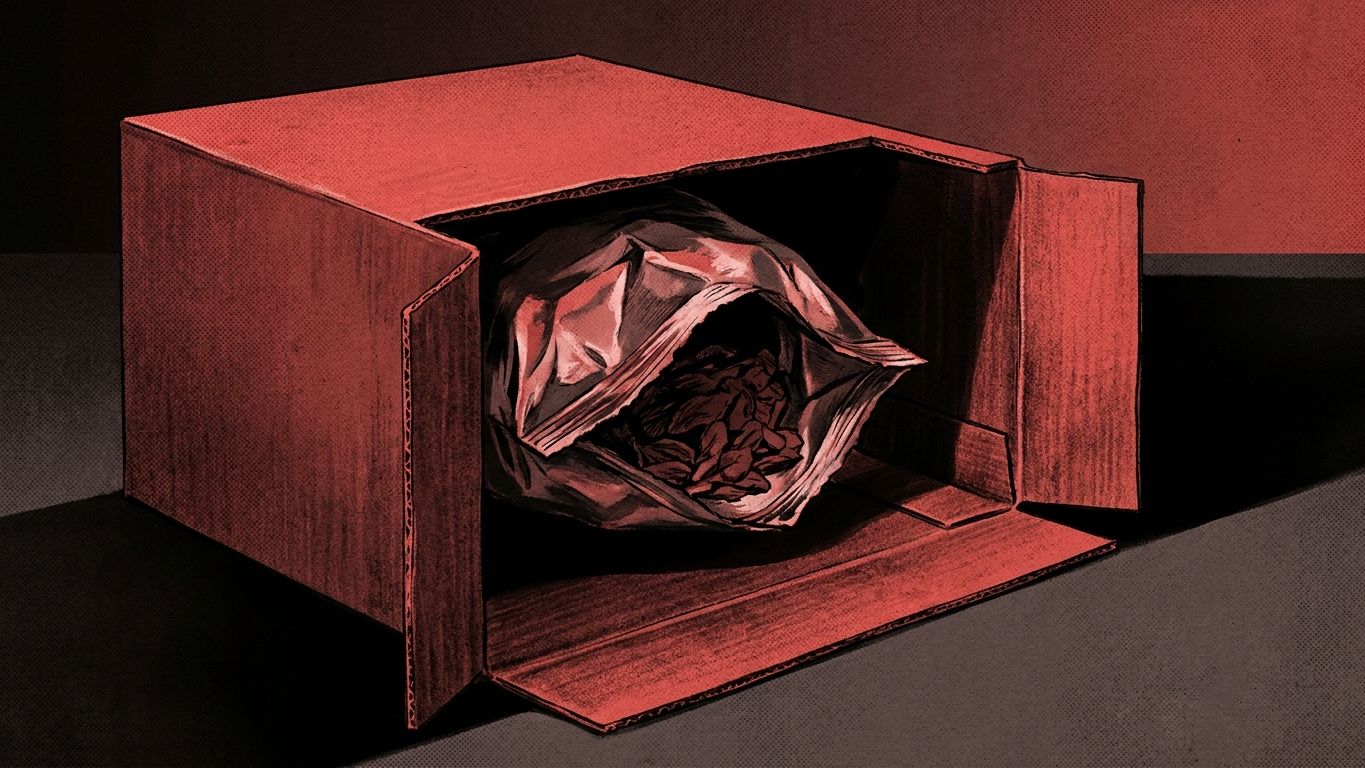
The price tag says $4.99, same as last year. What it doesn't say is that the bag of chips behind it now holds 9.5 ounces instead of 11. Nobody raised the price. They just gave you less of it, and banked on the fact that you'd notice a forty-cent jump on the sticker a lot faster than you'd notice one and a half ounces missing from a bag you weren't weighing in the first place.
The Box Gets Smaller, the Price Stays the Same
Shrinkflation is the practice of reducing a product's size, weight, or count while holding its price constant — a cereal box that loses an ounce, a roll of paper towels with fewer sheets, a candy bar that's quietly a few grams lighter than the one from five years ago. The dollar amount on the shelf never moves, so nothing about the purchase looks like a price increase. But divide price by quantity and the truth is the same either way: you are paying more for less, one gram or milliliter at a time, without a single number on the label ever going up.
Why a Shrinking Box Is Easier to Miss Than a Rising Price
Behavioral economics explains why this works so reliably. Shoppers anchor hard on price — it's the one number printed in large type, compared against memory, and felt directly in the wallet at checkout. Quantity, by contrast, is a much softer signal: few people memorize exactly how many sheets were on last month's paper towel roll, and package dimensions are engineered to look identical even when the contents inside have shrunk, using a thicker base, a concave bottom, or extra headspace. Loss aversion means a price increase registers as a loss and provokes resistance; a quantity decrease, hidden inside packaging that looks the same on the shelf, mostly doesn't register as anything at all.
A price increase is a number you have to defend at the register. A shrinking package is a number almost nobody is checking.
Skimpflation: When the Product Itself Gets Worse
Shrinkflation's quieter sibling is skimpflation — holding the size the same but cutting what's inside it. A cheaper oil replaces a costlier one a few ingredients down the list, a garment's fabric gets thinner, a service that used to come with support now routes you to a chatbot, a restaurant portion shrinks while the plate stays the same size to disguise it. Nothing on the label technically changes enough to require new packaging, and no single substitution is dramatic enough to trigger a complaint. It's a thousand small downgrades, each one calibrated to sit just below the threshold where a customer would actually notice and push back.
Why Companies Prefer This to a Price Hike
Sticker prices carry psychological thresholds — $4.99 sells differently than $5.49, and crossing certain round numbers measurably dents sales. Shrinking the product lets a brand protect that psychological price point while still recovering rising ingredient, packaging, and freight costs. It also blurs comparison shopping: when pack sizes vary slightly across brands and change from one purchase cycle to the next, calculating a true cost-per-ounce becomes a chore most shoppers skip, which is precisely what makes it easier to raise the effective price without ever looking like the expensive option on the shelf next to a competitor's identically priced, and identically shrunk, alternative.
Where to Look for It
- The bottom of the package — a concave or raised base can hide a meaningful volume reduction inside a container that looks the same height on the shelf
- Round numbers that quietly went odd — a bag that used to say "16 oz" and now says "14.5 oz" almost never announces the change beyond the fine print
- Unit price tags on the shelf edge — the small cost-per-ounce figure below the sticker price is the one number packaging redesigns can't hide
- Ingredient lists that reordered themselves — a cheaper oil or filler moving up the list is skimpflation's paper trail, since ingredients are listed by descending quantity
- Crowdsourced trackers — shopper communities and consumer sites now log package-size changes with photos and dates, often catching a shrink months before it's widely reported
The Regulatory Pushback
France now requires supermarkets to post a visible notice on shelves next to any product that has shrunk while its price held or rose, naming shrinkflation directly rather than leaving it to be discovered. Several other countries have strengthened mandatory unit-pricing rules that force stores to display a standardized cost-per-unit figure alongside the sticker price, precisely so package-size changes can't hide the comparison. In the US, unit pricing requirements still vary by state and are inconsistently enforced, and there is no federal shrinkflation disclosure law — which means, for now, spotting it is still mostly left to the shopper doing the math themselves.
How to Catch It Yourself
- Compare unit price, not sticker price, every time — it's the only number that survives a package redesign
- Photograph the weight or count on staple items you buy often, and check it again next time — it's the only reliable way to catch a change that isn't announced
- Treat a sudden package redesign as a reason to check the fine print, not a reason to trust the product more
- Scan the ingredient list for reordered entries on products you buy repeatedly — it's often the first sign of a quality substitution long before the taste or texture confirms it
None of this requires a conspiracy — just a company deciding that a quiet reduction in quantity or quality will draw less attention than an honest increase in price, and betting correctly that most shoppers are comparing sticker prices, not doing division in the aisle. The tag never lies exactly. It just stops telling you everything you'd need to know to see what actually changed.