Europe's Wave of Protests and Riots: What's Driving the Unrest, and How to Read the Coverage
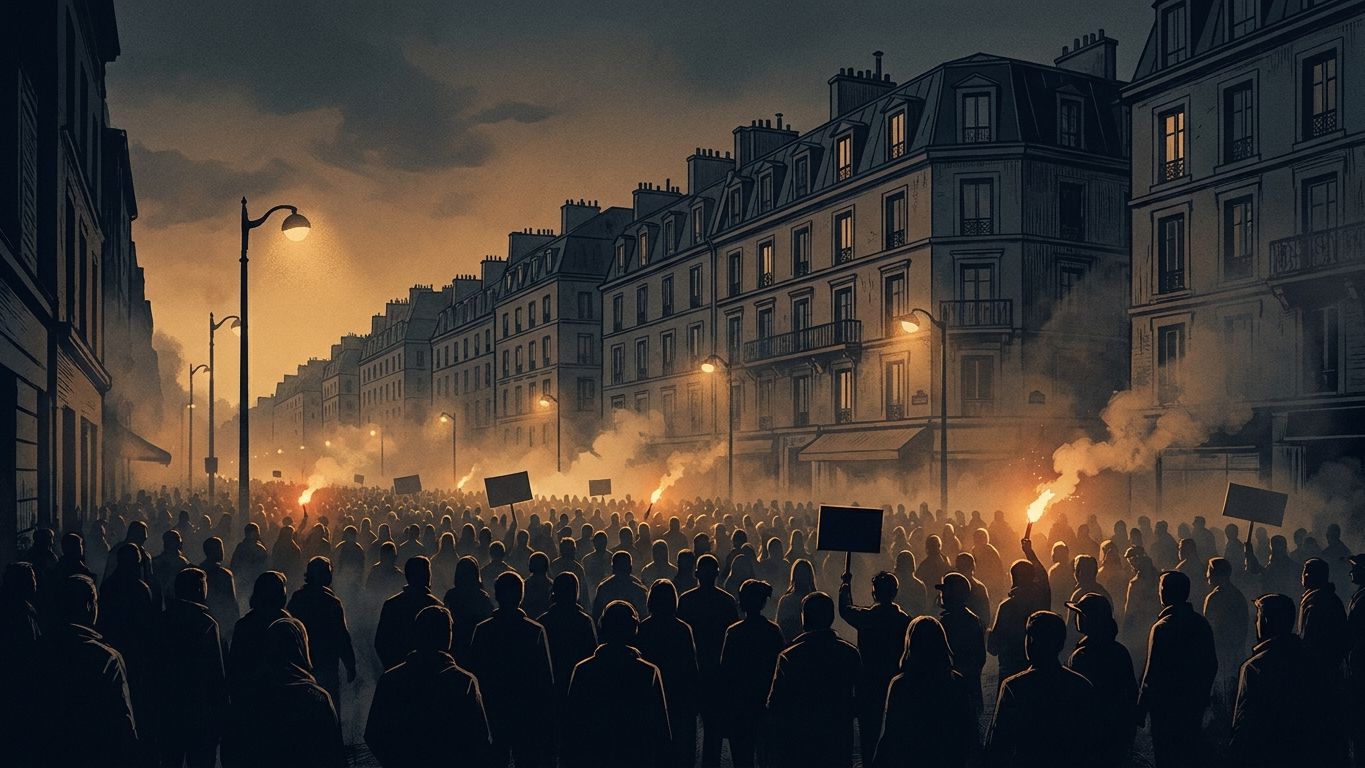
In the last few weeks, protests have spread across Europe at a pace that has caught even seasoned observers off guard. In France, demonstrations that began over school conditions and living costs have repeatedly turned violent, with tear gas, water cannons, curfews, and thousands of arrests reported. In Italy, soldiers were deployed to guard central Milan. In Albania, government buildings were attacked and hundreds of protesters and police were reported injured. Belgium, Spain, and Portugal have seen their own large demonstrations. This is a developing story, and the details are changing daily. This article is about the part that is less likely to change: why it is happening, and how to avoid being misled while you follow it.
What the Reporting Agrees On
Across major news outlets, a few things are consistent. The unrest is not one organized movement with a single leadership or demand. It is a set of overlapping protests in different countries, with different triggers, that share a mood. The grievances most often cited are the cost of living, housing affordability, and the condition and cost of education. Most of the marches themselves have been described as peaceful. The violence has typically come in flashpoints, often after the main demonstration, involving smaller groups, and in some cases very young people.
- France. Protests tied to school conditions and living costs have run since late September. Authorities have reported arrests in the thousands, a large share of them minors, and have imposed curfews in several cities. Tallies differ by date and by source, so treat any single number with caution.
- Italy. Student-led protests spread through Milan, Rome, Turin, and other cities, with isolated clashes with police. The government sent additional soldiers to Milan, limited to guarding train station areas, and the main march there on 24 October was reported as peaceful. Hundreds of people were briefly detained across several cities, many of them minors.
- Albania. An anti-government protest in Tirana on 24 October saw police use tear gas and water cannons, government buildings attacked, and more than 300 protesters and officers injured, according to reports.
- Belgium, Spain, and Portugal. Belgian police used tear gas and water cannons on demonstrators protesting school conditions and education costs. In Spain and Portugal, large marches focused on housing affordability and the right to housing, with pensions also raised in Madrid.
Why Everyday Costs Turn Into Street Anger
Protests rarely come from one bad week. They come from a long squeeze that people have stopped believing will end. Housing, fuel, food, and education are the biggest and least flexible items in a household budget, and when they rise faster than wages, there is nothing left to trim. Younger people feel it most: they are more likely to rent, less likely to own, and often face the cost of education and the uncertainty of work at the same time.
Researchers who study unrest often point to two ingredients. The first is relative deprivation, the gap between what people expect their lives to look like and what they actually get. The second is a perceived breakdown in fairness: the sense that rules are applied unevenly, that decision-makers are insulated from the costs, and that formal channels like elections and petitions have stopped working. When both are present, a single local trigger, such as a school closing or a policing incident, can set off something much larger.
Social media shortens the fuse. Video of a clash in one city reaches students in another within minutes, copycat actions are organized in group chats, and the feed rewards the most dramatic clip. We looked at that dynamic in our piece on the attention economy: the platforms that spread a protest's message are the same ones that reward its worst moments.
What Is Disputed
Where reporting and politics diverge is in the explanation of the violence. Some political figures, including US officials and some European leaders, have attributed the unrest largely to immigration. Italy's prime minister said that about half of the roughly 330 people detained or arrested in connection with the Italian protests had foreign origins, meaning they were born abroad or born in Italy to immigrant families. Others, including The Economist's reporting, have argued that the protests are primarily about the cost of living and poor public services, and that framing them as an immigration story does not match the evidence.
Both things can be partly true without settling the question. A statistic about the background of those detained does not tell you why a march started, why it grew, or why a small group turned to violence. Detention figures also depend on who the police choose to stop. And France's president has said young people's grievances are legitimate but are being exploited for political purposes, which is itself a claim that is hard to verify from outside. Expect every faction to claim the unrest as proof of what it already believed.
Other points remain unsettled. Attendance numbers vary widely between organizers and authorities. Responsibility for specific arson, looting, and property damage is often unclear in the first days. Allegations of police misconduct, including claims involving injuries to minors, are being made and contested. Until investigations finish, treat those as allegations, not findings.
How to Read Coverage of a Story Like This
- Check the date on every number. Arrest and injury totals climb daily and are counted differently by police, ministries, and news agencies. Two figures that look contradictory may simply be from different days or definitions.
- Separate the march from the clash. A photo of a burning car is real, and so is a peaceful march of tens of thousands. A report that only shows one of them is telling you a partial story.
- Be wary of unlabeled video. Old footage from other riots, other countries, and even video games circulates during every major unrest. Look for a source, a location, and a timestamp before sharing, and be extra cautious with AI-generated images.
- Notice who benefits from the framing. Governments may want the story to be about disorder, opposition parties about incompetence, and activists about injustice. Each can use true facts to build a different picture.
- Read more than one country's outlets. Local reporting is closer to the facts, and international wire services help you compare. Reading both is slower, but it is the best defense against a one-sided account.
- Resist the first explanation. In the first hours of any riot, the loudest voices explain it with certainty, and the facts usually turn out to be messier. Waiting a day costs you nothing.
- If you live in or are traveling to an affected area, follow your government's travel advisories and local authorities for curfews, closures, and transport disruption, not social media.
The Bottom Line
Violence in the street is easy to see and easy to condemn, and it tends to take over the story. The slower, less visible cause is a generation watching housing, education, and daily costs move out of reach and concluding that the usual channels aren't listening. Whether you think the response should be reform, enforcement, or both, you can't judge it well from a single clip or a single statistic. In a story that changes by the hour, the most useful habit is the unglamorous one: check the date, check the source, and hold your conclusion a little longer than the feed wants you to.
Sources
- Euronews: Protests sweep across Europe from France to Albania, Italy, Spain and Portugal (24 October 2026)
- PBS NewsHour: Soldiers guard center of Milan as thousands of protesters march in cities across Europe